
7 Ways to Plan a Holiday Trip Without Overspending
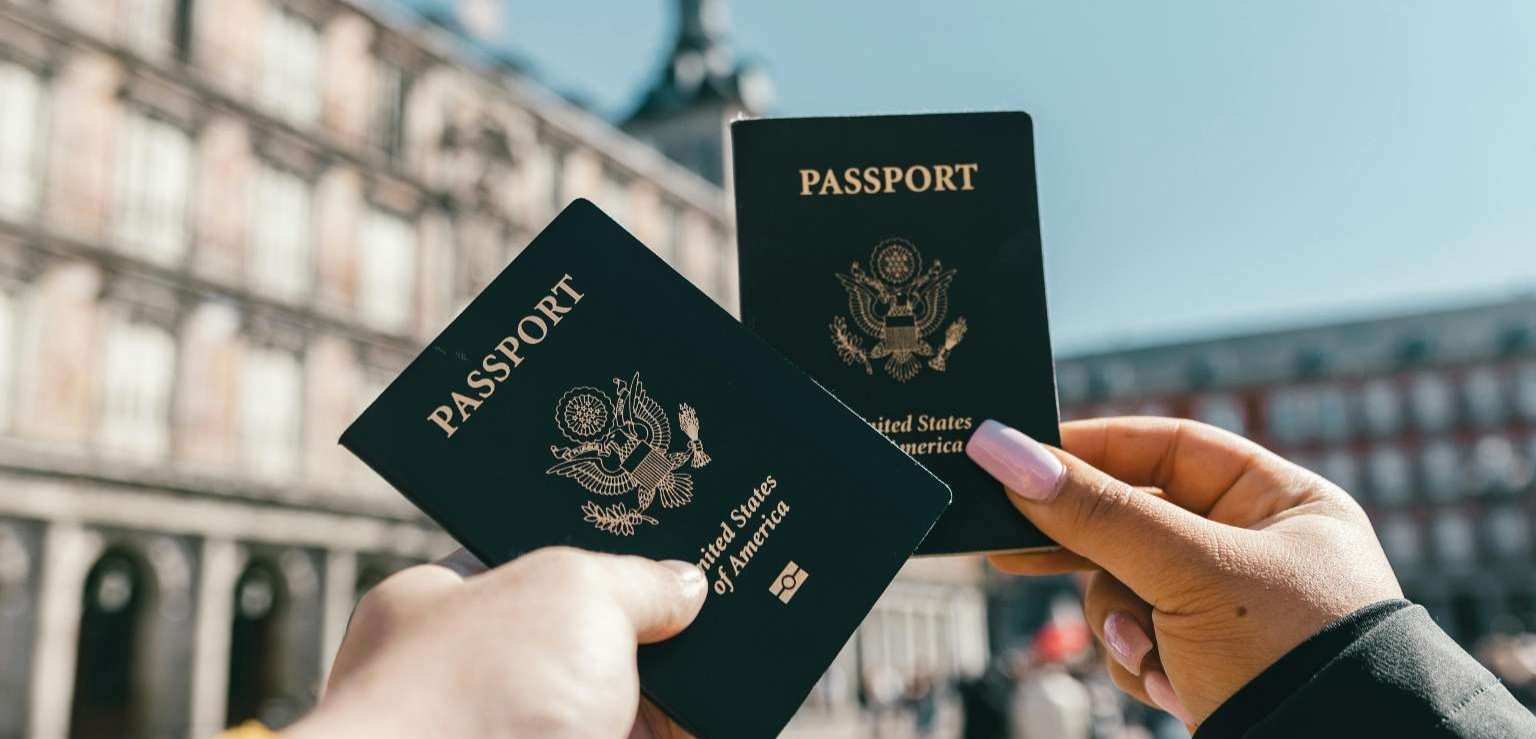
Planning a holiday trip always sounds exciting until the budgeting part comes in and suddenly you are questioning every life decision you have made this year. The holiday season is coming fast and a lot of us are already thinking about trips with family, friends, or even that one coworker who insists on a group outing every year. The problem is simple. We want to enjoy the season, make memories, and take cute photos, but we do not want our bank accounts to cry for help afterward.
The good news is you do not have to choose between fun and financial responsibility. You can have both if you plan smart. I have learned this the hard way from past trips where I spent too much on things I did not even remember a week later. Over time I picked up small habits and practical hacks that made traveling way easier on my wallet without making me feel restricted or guilty.
In this article I am sharing 7 ways to plan a holiday trip without overspending. These are real, useful, and actually doable tips that do not involve extreme sacrifices. Think simple strategies like setting a realistic spending limit before you book anything, using price tracking tools to catch discounted flights, or choosing activities that give you the most value for your budget. You will also find personal insights and little tricks that helped me enjoy my trips more while spending less.
By the end of this guide, you will feel more prepared and more confident that you can create a holiday trip that feels special without stressing over money. Let us keep the joy of the season alive and the budget intact.
1. Start Planning Early
Starting early is honestly one of the simplest ways to save money on a trip, and yet so many people skip it because it feels like extra work. Good news: early planning does not mean you must lock everything in right away. It just gives you a head start to watch prices, compare options, and pounce when a real deal appears. Think of it as giving your trip more time to fall into place without stressing your budget.
If you already have a rough idea of where and when you want to go, start checking flights and hotels as soon as you can, even months ahead. Over time you will spot patterns: certain days of the week or weeks of the month tend to be cheaper, promo fares pop up unpredictably, and sometimes prices dip late at night. Once you know what a normal price looks like for your route, you will recognize a bargain when it comes along.
Another big advantage of planning ahead is freedom. You are not forced to grab the first option, which often leads to overspending. Early planning lets you compare airlines, consider nearby airports, tweak travel dates, or wait for a flash sale. It turns travel planning from frantic to relaxed.
Tip: Turn on price alerts on tools like Google Flights, Skyscanner, or Hopper. These services will notify you when fares change so you do not have to keep checking manually.
Extra tip: Try looking at prices during off hours. Very early mornings around (12 AM to 5 AM) or late nights around (10 PM to 12 AM) combined with off days (Tuesday to Thursday) can show better deals because site traffic is lower and some airlines release inventory at odd hours.
Hack: Use your browser in incognito or clear cookies before searching. Some travelers believe repeated searches can cause price increases on some sites, so a fresh session can give you cleaner results.
Example: A friend of mine watched Manila to Taipei fares for a week. Prices started around 8,000 PHP ($135.5), goes up to 9,300 PHP ($157.6), and then one midnight dropped to 7,400 PHP ($125.3). Because she had been tracking fares, she recognized the drop and booked immediately, saving almost 2,000 PHP ($33.9).
When you start early, you give yourself choices, flexibility, and more opportunities to save. It also makes the whole process less stressful and more fun. Your future self will thank you.
Guide
- Mark possible travel dates on your calendar early
- Turn on price alerts in Google Flights or Skyscanner
- Compare airlines, times, and nearby airports
- Use incognito for fresh price checks
2. Travel During Off Peak Dates
Traveling during peak season can be expensive. Flights and hotels often cost much more during popular times like Christmas, New Year, and long holiday weekends. If your schedule is flexible, traveling during off peak dates can save you a lot of money and make your trip less crowded.
Examples of peak travel dates:
- Christmas and New Year: December 20 – January 5
- Thanksgiving week: late November
- Summer holidays: July – August
- Spring break: March – April (varies)
Off peak dates are usually much cheaper. For example:
- January 10 – February 15
- Late May – early June
- September – early November
Midweek flights, like Tuesday, Wednesday, or Thursday, are usually cheaper than flights on Friday, Saturday, or Sunday. I personally always try to fly midweek because it is less crowded and easier to move around in the airport.
Comparison Table:
This table shows an example of how travel costs can vary depending on the dates you choose. It compares flight and hotel costs during peak and off peak periods. You can see that even shifting your trip by a few days can lead to significant savings.
| Travel Dates | Flight Cost (USD) | Hotel Cost (USD per night) |
|---|---|---|
| Weekend before Christmas (Dec 23–25) | $130 | $80 |
| Midweek January (Jan 15–17) | $80 | $50 |
| Midweek September (Sep 10–12) | $75 | $45 |
From the table, you can see that traveling during off peak dates like mid January or mid September can save you 30–40% compared to peak holiday weekends. Planning your trip around these cheaper dates is an easy way to stretch your travel budget.
By choosing off peak dates and midweek flights, you can save money, avoid crowds, and enjoy your trip more. Even small changes in your travel dates can make a big difference in your budget.
3. Choose Affordable Stays Without Compromising Comfort
Finding a place to stay does not have to break your budget. You can enjoy comfort and convenience while keeping costs low if you know what to look for. Many travelers think the cheapest option is always a compromise, but with a little planning, you can find hidden gems that are affordable and still enjoyable.
Look Beyond the Rating
Instead of only looking at overall ratings, check recent reviews to see what other travelers are actually saying about cleanliness, noise, and service. A place with a slightly lower rating but mostly positive recent feedback can often be a better experience than a highly rated hotel with outdated facilities. When I booked my trip to Baguio, I read reviews carefully and avoided a popular hotel that had multiple complaints about noisy neighbors and small rooms, even though it had a 4.5-star rating.
Save Money on Meals
Choosing a stay with free breakfast or kitchen access can save a lot. Preparing even one meal per day can significantly reduce travel expenses, especially if you are traveling with family or friends. For instance, staying at a guesthouse with a shared kitchen allowed guests to make simple breakfasts each morning. This allowed guests to enjoy simple breakfasts without extra cost while still having the freedom to try local cuisine for lunch and dinner. It also offers flexibility for dietary preferences and eating at your own pace.
Consider Alternative Accommodations
Don’t just limit yourself to hotels. Guesthouses, hostels, serviced apartments, and short-term rentals often provide the same comfort at a lower price. Some even have extra perks like free parking, laundry, or lounge areas. I once stayed in a cozy Airbnb apartment that had a living area, kitchen, and balcony for half the price of nearby hotels. It felt more spacious and comfortable, and I could cook simple meals whenever I wanted.
Plan Based on Location
Sometimes paying a little more for a centrally located stay is smarter than saving a lot on a faraway place. You save on transport costs and can spend more time enjoying attractions instead of commuting. When I traveled to Cebu, I chose a mid-range hotel slightly away from the busiest streets but within walking distance of public transport. It cost $10 more per night than a far-away hotel, but I ended up saving $15 on rides every day.
Guide
- Check recent reviews and ratings before booking
- Look for stays with breakfast or kitchen access
- Explore guesthouses, hostels, or short-term rentals
- Balance location with cost to save on transport
By being strategic about where you stay, you can enjoy a comfortable trip without overspending. Small choices like reading reviews, cooking a few meals, or picking the right location can make a big difference in your budget and overall experience.
4. Set a Realistic Daily Budget
Having a daily budget helps you control spending and enjoy your trip without worrying about money. When you set a clear allowance for each day, it is easier to make decisions on what to spend on and what to skip.
Break Your Budget Into Categories
Divide your daily budget into different categories like food, transport, activities, and small treats such as desserts or souvenirs. This helps you see where your money is going and prevents overspending on one area while ignoring others.
For example, if your daily budget is $30, you could allocate $10 for meals, $8 for transport, $10 for activities, and $2 for small treats. It makes it easier to stick to your budget without feeling restricted.
Track Your Spending
Keep a simple log of your expenses. You can use your phone, a notes app, or a budgeting app to record how much you spend in each category. Tracking your spending helps you see if you are on track or if you need to adjust your budget for the day.
Even just writing down what you spend each day makes a big difference. You will notice small things, like coffee or snacks, adding up and can make smarter decisions.
Adjust When Needed
A daily budget is not set in stone. If you spend less on transport, you can use the leftover for activities or treats. Flexibility helps you enjoy your trip without guilt.
Guide: Daily Budget Allocation
Food
Meals and snacks
Transport
Taxi, rides, public transport
Activities
Tour fees, entrance tickets
Treats
Souvenirs or snacks

5. Plan Your Activities Strategically
Spontaneous trips are fun, but not planning your activities can lead to wasted time and extra costs. Doing some research beforehand helps you prioritize what to see, find free or low-cost attractions, and make the most of your trip.
Research Must-Visit Places
Start by listing the main attractions you want to see. Check their opening hours, entrance fees, and the average time needed for each place. This helps you avoid spending too much time or money on last-minute decisions.
For example, if you are visiting a city with multiple museums, you can group the ones close to each other on the same day to save transport costs.
Look for Free or Low Cost Alternatives
Many cities have beautiful public parks, viewpoints, markets, and cultural spots that are free to visit. Search online forums or social media groups to find recommendations from locals or experienced travelers. These spots can add variety to your itinerary without increasing your budget.
For instance, in Singapore, you can combine outdoor areas at Gardens by the Bay, Marina Bay Sands viewpoints, and Merlion Park for a full day of sightseeing without paying entrance fees.
Group Activities by Location
Plan your day so that activities in the same area are done together. This reduces travel time and transport costs. It also allows you to enjoy a location more fully instead of rushing from one side of the city to another.
Track Your Daily Costs
Estimate how much each activity will cost and include it in your daily budget. Use a simple notes app or spreadsheet to track spending. This helps you adjust if you want to add a special activity or skip one to stay on budget.
Example: 3 Day Vietnam Itinerary with Budget and Savings
This itinerary shows how planning activities, choosing affordable options, and grouping attractions can help you stay within budget and even save some money.
Daily Budget: $50
Actual Costs: Food $12, Transport $5, Attractions $20 = $37
Saved: $13 by walking instead of taking taxis and choosing affordable street food.
Daily Budget: $50
Actual Costs: Tour $25 (booked online early), Food $8, Transport $10 = $43
Saved: $7 by booking the tour online and bringing your own snacks.
Daily Budget: $50
Actual Costs: Food $12, Transport $5, Souvenirs $25 = $42
Saved: $8 by using public buses and shopping at local markets.
Total allocated budget: $150 for 3 days
Total actual spending: $122
Total saved: $28 thanks to careful planning, using public transport, booking activities online, and choosing affordable food and souvenirs.
6. Eat Like a Local
Food can take up a big part of your travel budget. Eating like a local lets you enjoy authentic flavors without overspending. Planning where and how you eat can save you money while still having great meals.
Check Daily Deals and Coupons
Many cities have websites, apps, or Facebook groups dedicated to restaurant or café deals. These promotions can give you 20–50% off meals. Signing up for newsletters or following local food pages can help you spot these discounts. For example, in Ho Chi Minh City, a café had a “buy one get one free” lunch special through a local app. It turned a $6 meal into just $3 per person.
Street Food and Market Finds
Local markets are gold mines for authentic and affordable meals. You can try pho, banh mi, or fresh fruit smoothies at a fraction of the price you’d pay in tourist restaurants. In Hanoi, I had a bowl of pho for $1.50 compared to $5 in a restaurant near Hoan Kiem Lake. Not only is it cheaper, but it also gives a real taste of the local culture.
Follow Local Food Bloggers
Local bloggers often share hidden gem eateries or discounts that tourists usually miss. Their recommendations help you find the best flavors at reasonable prices. Following Instagram or TikTok accounts dedicated to local food in your destination can save you both money and time.
Walk a Few Streets Away
Restaurants right by tourist landmarks tend to charge more. Walking just two or three streets away can reduce meal costs significantly. For example, in Bangkok, walking down a small alley near a popular mall let me enjoy Pad Thai for 70 baht instead of 180 baht in the mall food court. It’s cheaper and often tastier.
7. Maximize Transport Without Breaking the Bank
Getting around can eat a big part of your budget if you rely on taxis or ride apps for everything. Most cities have public transport that’s easy to follow and much cheaper. Planning smartly lets you save money and time.
Bike rentals or scooter apps are becoming popular in many cities. They are faster than walking for longer distances and way cheaper than taking a taxi. Some cities also have combo passes that cover buses, trains, and entry to top attractions at a discounted rate.
Another simple trick is to plan your routes by clusters. Instead of hopping around randomly, group attractions near each other and walk between them. Use transport only for longer trips. This way, you save money and can see more without wasting time.
Pro tip: Download the local transport app or a city map before you go. That way, you know exactly which buses, trains, or scooter routes to take. And if a place is less than 15 minutes away, just walk, you’ll discover hidden spots along the way and spend zero dollars.
In Hong Kong, taking the MTR from Mong Kok to Tsim Sha Tsui often beats sitting in traffic. The ride is quick, convenient, and costs only a small portion of what a taxi would charge.
Taxi / Ride App
Allocated Budget: $20
Actual Cost: $22
Pros: Fast and convenient
Cons: Expensive, traffic delays
Savings: $0
Public Transport
Allocated Budget: $20
Actual Cost: $5
Pros: Cheap, reliable, many routes
Cons: Can be crowded
Savings: $15
Bike / Scooter Rental
Allocated Budget: $20
Actual Cost: $3–$5
Pros: Flexible, fast, fun
Cons: Need to follow local traffic rules
Savings: $15–$17
Walking / Exploring
Allocated Budget: $20
Actual Cost: $0
Pros: Free, very immersive
Cons: Not great for long distances
Savings: $20
Conclusion
Planning a holiday trip without overspending is all about being smart, prepared, and flexible. From starting early and choosing off peak dates, to picking affordable stays, setting a realistic daily budget, planning activities strategically, eating like a local, and using cost effective transport, every small decision adds up to big savings. Even simple habits like walking short distances, booking tours online, or cooking a meal at your guesthouse can make a noticeable difference.
Using these strategies, you can enjoy a stress free trip, see more, eat well, and keep your budget intact. The examples throughout this guide, like the Vietnam itinerary or Hong Kong transport savings, show that careful planning can lead to tangible results: more money saved, less stress, and more fun experiences.
Remember, the goal is not to be frugal to the point of missing out, but to make conscious choices that maximize your enjoyment while minimizing unnecessary spending. A little preparation goes a long way in turning a regular holiday into a smart, memorable adventure. These tips work for both local and international trips, so you can apply them wherever you go.
Summary
- Start planning early to track deals and compare options. Early planning gives you flexibility and helps save money, whether your trip is local or international.
- Travel during off peak dates and midweek to cut flight and hotel costs significantly.
- Choose affordable accommodations with breakfast or kitchen access, and consider guesthouses, hostels, or short-term rentals.
- Set a realistic daily budget and divide it into categories like food, transport, activities, and small treats.
- Plan activities strategically, grouping attractions by location and including free or low-cost options.
- Eat like a local by exploring markets, street food, and deals outside tourist hotspots.
- Maximize transport efficiency with public transport, bike or scooter rentals, and walking whenever possible to save money.
- Small smart choices add up: booking tours online, walking short distances, and preparing meals can increase your total savings.